
Contents
What Happens When a Bank Fails? Regulators step in, protect insured deposits, and seek an orderly resolution. Therefore, most customers retain access to covered funds with little disruption.
However, a failure can still create uncertainty. Depositors may worry about debit cards, direct deposits, loans, and balances above insurance limits. Fortunately, clear rules guide the process in the United States.
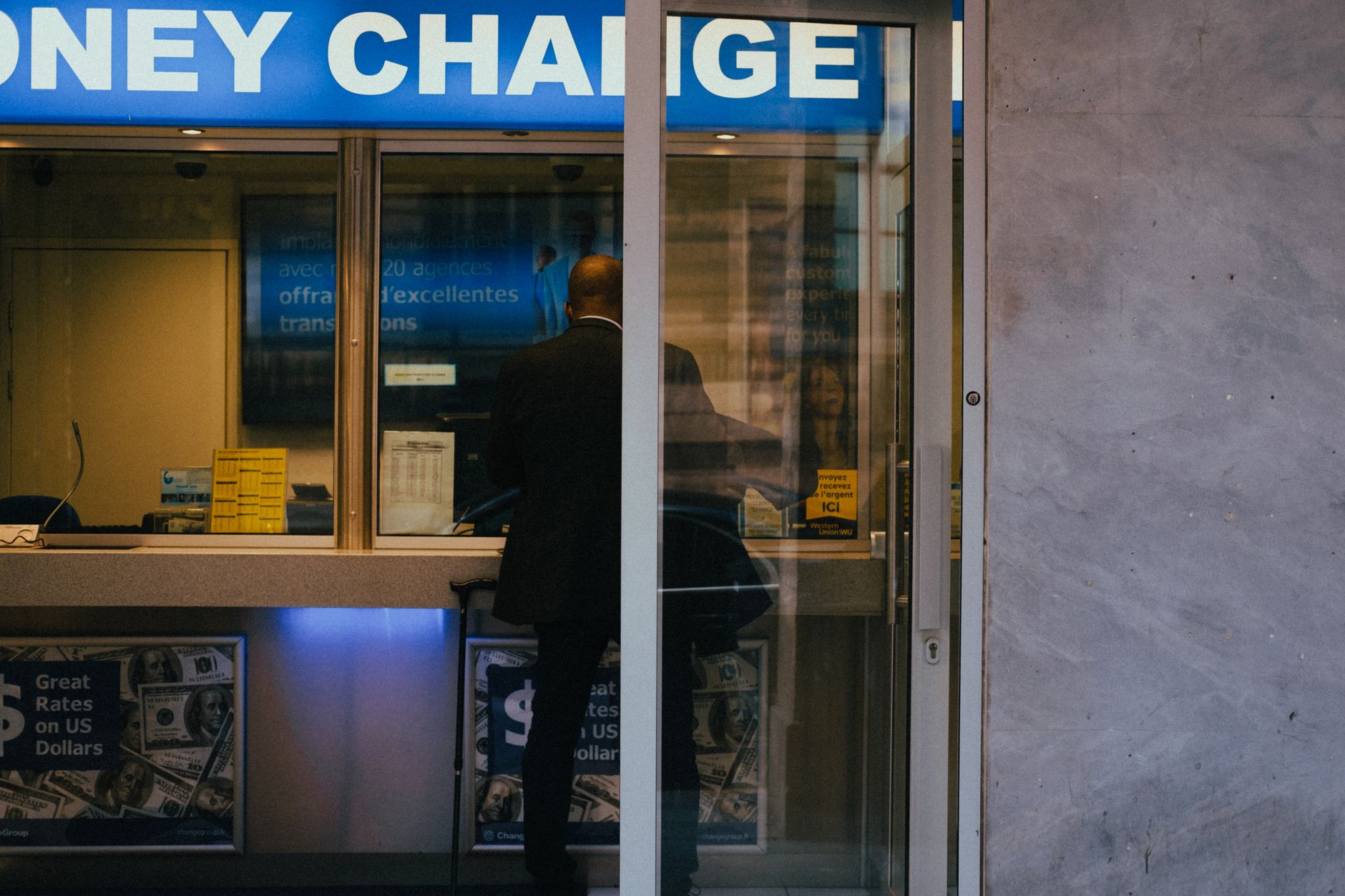
This guide explains each stage in simple terms. In addition, it shows how deposit insurance works and what customers should do next.
What Happens When a Bank Fails? The Immediate Process
A bank fails when it cannot meet its financial obligations or regulatory requirements. Consequently, its chartering authority closes the institution and appoints a receiver.
In most cases, the Federal Deposit Insurance Corporation serves as receiver for an insured bank. It then protects insured depositors and manages the failed institution’s assets.
Furthermore, regulators often arrange a sale to another bank. The acquiring bank may assume deposits, branches, customer accounts, and certain assets.
What Happens When a Bank Fails? Deposit Protection
FDIC insurance generally covers up to $250,000 per depositor, per insured bank, for each ownership category. However, coverage depends on account ownership and registration.
Checking accounts, savings accounts, money market deposit accounts, and certificates of deposit may qualify. In contrast, stocks, bonds, mutual funds, and crypto assets do not receive FDIC deposit insurance.
Therefore, customers should review their account structures before problems arise. The FDIC deposit insurance resource explains coverage rules and available calculation tools.
UpCardsCredit card comparatorPick 2 cards and see, line by line, what changes between them.Use it →How Customers Access Their Money
Regulators aim to maintain normal banking services. Therefore, customers often continue using checks, debit cards, ATMs, and electronic transfers.
However, temporary interruptions can occur during an account transfer. Customers should keep alternative payment methods available for essential expenses.
Additionally, direct deposits usually move with an acquired account. Still, customers should monitor payroll, government benefits, and automatic payments closely.
What Happens When a Bank Fails? Uninsured Funds
Balances above applicable insurance limits create greater risk. Initially, the FDIC may provide an advance dividend based on the expected value of recovered assets.
Afterward, the receiver sells assets and collects outstanding obligations. It may issue additional payments as recoveries continue, although customers might not recover every uninsured dollar.
Therefore, depositors with large balances should diversify funds among insured institutions when appropriate. They should also confirm how ownership categories affect coverage.
What Happens to Loans and Credit Accounts?
A bank failure does not cancel personal loans, mortgages, or business debt. Borrowers must continue making payments according to their agreements.
However, another institution or the FDIC may provide new payment instructions. Consequently, borrowers should verify every notice before sending money or sharing personal information.
Credit cards may continue working, although account terms can change under applicable agreements and laws. For more financial education, learn more here.
Steps to Take After a Bank Failure
First, confirm the closure through the FDIC or another official regulator. Scammers often exploit uncertainty, so avoid unverified links and urgent payment requests.
Next, review balances and account ownership. In addition, save statements, deposit records, loan documents, and official correspondence.
Finally, track every transaction during the transition. These practical steps can reduce confusion:
• Verify the receiving bank and its contact information.
• Confirm access to checking and savings accounts.
• Review direct deposits and scheduled bill payments.
• Check whether total deposits exceed insurance limits.
• Report missing funds or suspicious messages promptly.
Frequently Asked Questions
Will I lose all my money if my bank fails?
Usually, insured depositors do not lose covered funds. However, money above applicable FDIC limits may face delays or potential losses.
How quickly can I access insured deposits?
The FDIC aims to provide access promptly, often through another insured bank. Nevertheless, specific timing depends on the resolution method and account details.
Should I stop paying my loan after a bank closes?
No. A bank failure does not erase debt. Therefore, continue payments and follow verified instructions from the receiver or new loan servicer.
How can I prepare before a bank fails?
Review insurance limits, ownership categories, and account balances. Additionally, keep updated records and maintain another payment option for short-term disruptions.
Conclusion
What Happens When a Bank Fails? Regulators close the institution, protect insured deposits, and manage an orderly transition. Therefore, most covered customers can recover or access their money quickly.
However, uninsured balances require closer attention. Review your coverage, monitor official updates, and keep accurate records. Above all, use trusted regulatory sources before taking action.